In short
- Sunrise lights up the Temple of the Sun.
- Early morning and late evening enhance the clay colors.
- Drones are only allowed outside the national park.
In this article
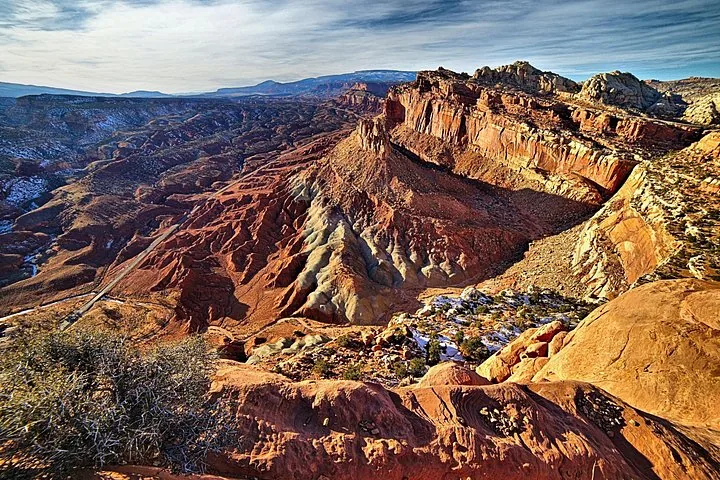
Shooting photos in the desert requires planning around harsh midday sun. Early morning and late evening light brings out the maroon, green, and gray bands in the clay.
What is the best time of day to see the Bentonite Hills?
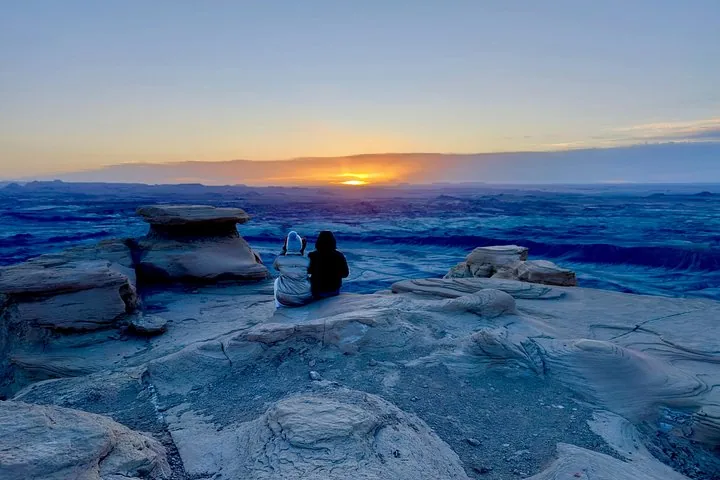
Sunrise and sunset offer the most colorful light.
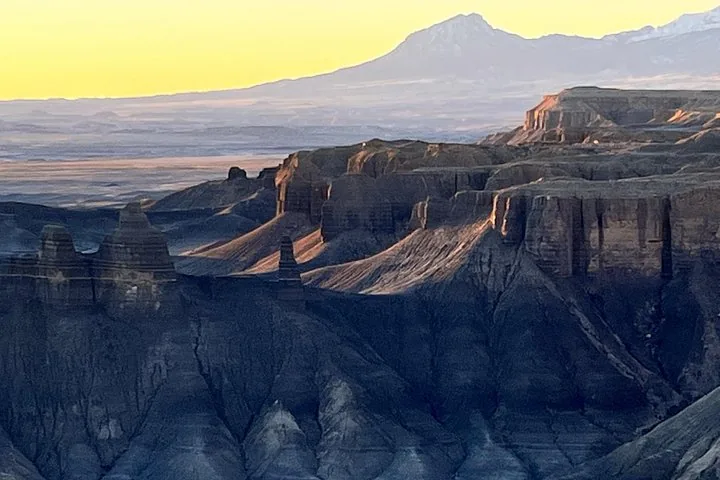
The low sun angle during the golden hours reduces harsh shadows. It highlights the maroon, green, and gray bands of the softly-contoured clay hills. Midday sunlight washes out the colors and flattens the landscape.
When should I photograph the Temple of the Sun?
Visit at dawn for the best lighting.
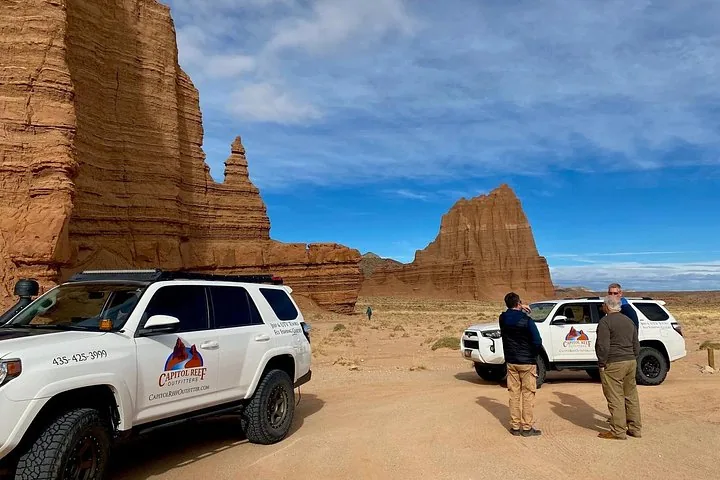
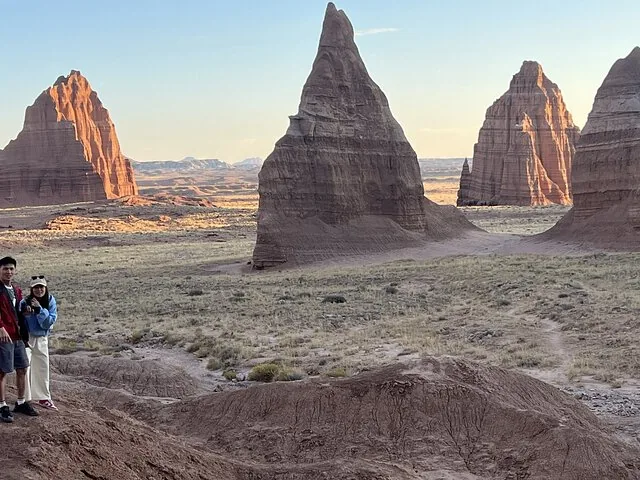
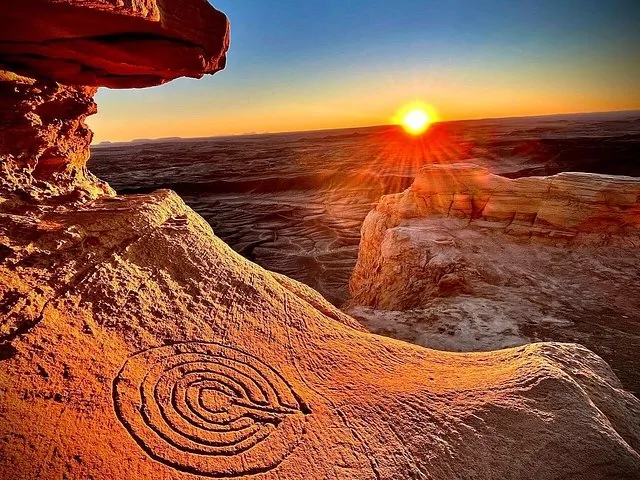
The Temple of the Sun is a towering Entrada Sandstone monolith. It catches the direct morning light at sunrise. Find a high vantage point nearby to capture both the Temple of the Sun and Temple of the Moon in one frame.
Which months are best for photography?
Spring and fall offer the most reliable conditions.
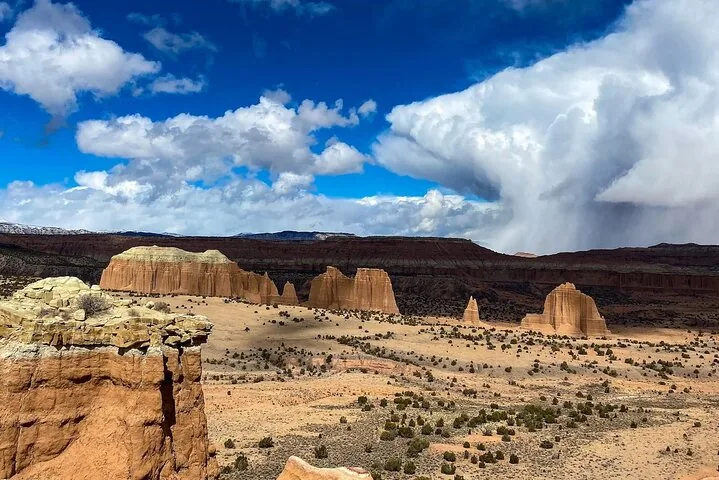
April, May, September, and October have mild weather. Summer brings extreme heat, making long shoots uncomfortable. Winter and rainy days turn the clay into gummy mud, making the roads completely impassable.
Can I shoot night photography in Capitol Reef?
Yes, but light painting is strictly prohibited.
Capitol Reef National Park has dark skies ideal for astrophotography. However, you cannot use artificial lights to illuminate the landscape for photos. Always stay on designated roads and firm, previously disturbed areas in the dark.
Can I fly a drone over the Bentonite Hills?
Only at the Hanksville location outside the national park.
Drones are banned inside Capitol Reef National Park. To capture aerial photos, visit the secondary Bentonite Hills area near Hanksville. This site sits just west of town on Cow Dung Road.
How do I reach the photography spots?
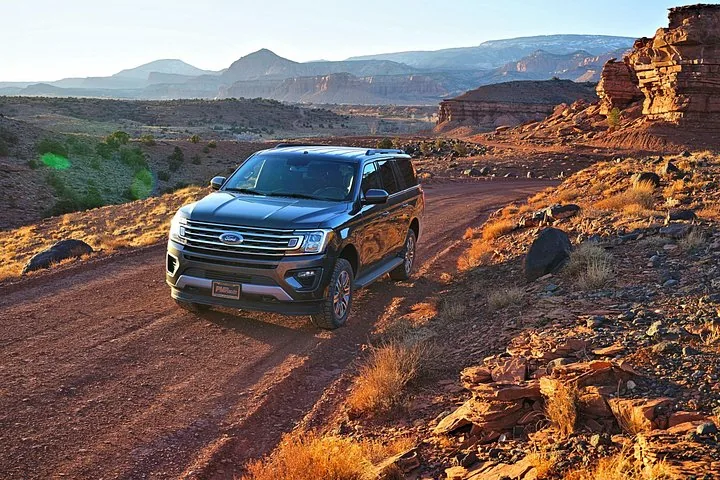
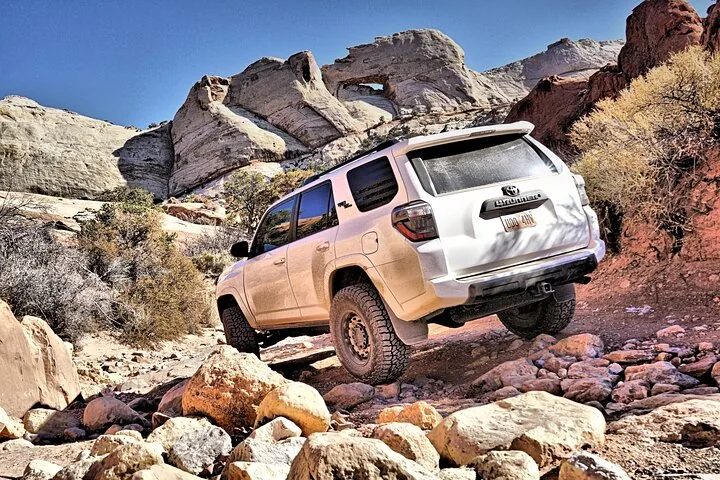
You need a high-clearance 4WD vehicle.
Reaching the main Capitol Reef Bentonite Hills requires fording the Fremont River. The National Park Service requires at least 8 inches of ground clearance. If you lack the right vehicle, book a local 4x4 photography tour.
Questions travellers ask
Are the Bentonite Hills on Mars?
No, they are located in Utah. The landscape resembles Mars due to the softly-contoured clay formed from volcanic ash deposited 150 to 157 million years ago.
Why are the Bentonite Hills so colorful?
The colors come from altered volcanic ash. This ash creates wide bands of maroon, green, and gray across the hills.
Can you travel on the clay when it is wet?
No. The clay becomes highly slick and easily damaged when wet. Footprints and tire tracks leave scars that last for years.